
Loading...
Serving Conway, AR and surrounding areas. (501) 497-0067
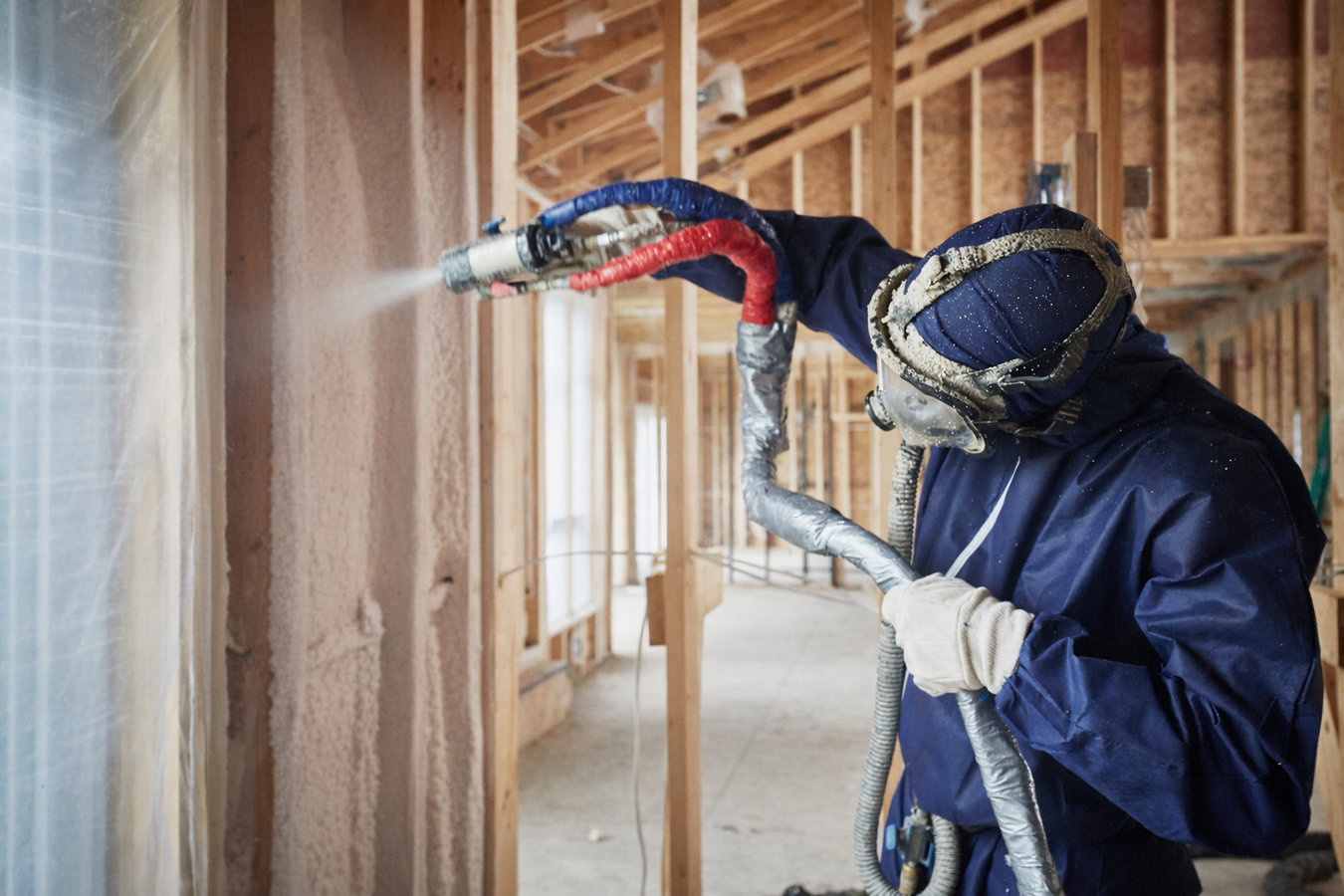
Open-cell foam fills every gap in your attic or crawl space and seals air leaks at the same time. If older insulation has settled or drafts have never gone away, this is the fix.
Open-cell foam insulation in Conway, AR gets sprayed into attics, walls, and crawl spaces as a liquid that expands to fill every gap and crack, sealing air leaks and insulating at the same time - most jobs for a typical home are completed in one to two days. Unlike fiberglass batts, it conforms to irregular shapes and seals the spaces around pipes and wiring that standard insulation simply sits next to and ignores. Once cured, it stays in place for decades without settling or compressing.
Many Conway homeowners turn to open-cell foam after years of drafty rooms, high summer electric bills, or insulation that was installed years ago and has never performed the way it should. The combination of air sealing and insulation in a single material is what makes it stand out - especially in older homes where fiberglass batts have settled away from framing members and left gaps that let conditioned air escape all season long. Pairing it with spray foam insulation for specific zones like rim joists gives you the most complete thermal envelope.
The U.S. Department of Energy identifies spray foam as one of the most effective insulation types for stopping both heat transfer and air movement in a single step - which is exactly what homes in Conway's hot, humid climate need most.
If your Entergy bill climbs sharply from June through September even though your habits have not changed, your home is losing cooled air through the attic or walls. Conway's summers are long and unforgiving, and an under-insulated attic can add hundreds of dollars to your cooling costs over a single season. This is one of the most common reasons Conway homeowners call an insulation contractor.
If one bedroom is always hotter than the rest of the house in summer, or one hallway stays drafty in winter, that is a sign of uneven insulation or air leaks in that part of the home. In older Conway homes built before modern energy codes, this is extremely common - the original insulation was often installed inconsistently or has degraded over the decades.
Hold your hand near an outlet or light switch on an outside wall on a windy day. If you feel a draft, air is getting in through gaps in the wall cavity. This is a classic sign that the insulation in that wall is not sealing the space - it is just sitting between the studs while air moves freely around it. Open-cell foam would fill those gaps completely.
If you have poked your head into your attic in July and felt a wall of heat, that heat is radiating into your living space all day. If the insulation you see is thin, compressed, or has gaps around the edges and penetrations, it is not doing its job. Conway's heat index regularly exceeds 100 degrees in summer, and an attic that is not properly sealed forces your air conditioner to fight a losing battle all season.
Conway Insulation installs open-cell spray foam in attics, crawl spaces, wall cavities, and rim joists throughout the Conway area. We start by assessing your existing insulation, checking for moisture or pest issues that need to be addressed before foam goes in, and measuring the space. The foam is sprayed in sections and expands to fill every corner - including the irregular gaps around pipes, wiring, and framing that standard batts leave unsealed. For homeowners who also want to address the attic floor before adding foam above, we offer attic air sealing as a preparatory step.
Every job comes with a written estimate before any work begins and a walkthrough of the finished job so you can see exactly what was done. We also check for moisture conditions before spraying - because foam applied over a wet surface will not bond correctly and can trap moisture behind it. That pre-spray check is a step some contractors skip, and it is one of the most important parts of a job done right.
Best for Conway homeowners with older attic insulation that has settled, compressed, or left gaps around penetrations and framing.
Suited for homes where humid outside air enters from below and creates moisture problems or musty smells in the living areas above.
For homeowners dealing with drafty exterior walls where standard batts have left gaps that let outside air circulate freely behind the drywall.
For homes where the foundation-to-framing connection is a primary entry point for cold air in winter and humid air in summer.
Conway sits in central Arkansas, where summer humidity regularly climbs above 70 percent and temperatures stay above 90 degrees for months at a stretch. The combination of long, punishing summers and a large share of pre-1990 housing means a lot of Conway homes are working with insulation that has settled, degraded, or simply was never adequate by today's standards. Homes built between the 1950s and 1980s - including many of the properties near downtown and in the established neighborhoods off Dave Ward Drive - often have gaps around pipes and framing that fiberglass batts were never designed to seal. Homeowners in Maumelle and neighboring communities face the same climate conditions and see the same results from open-cell foam.
Conway's clay-heavy soil also affects crawl spaces. The expansive soils in Faulkner County shift with seasonal moisture changes, which can open gaps in crawl space walls and floor framing over time. For homes with crawl spaces, foam applied to the walls and rim joists seals those entry points for humid outside air. A good contractor will check for moisture issues before spraying - especially after a wet spring. Homeowners in Cabot deal with the same soil and humidity conditions and find that open-cell foam on the crawl space walls makes a noticeable difference in comfort and indoor air quality. The Spray Polyurethane Foam Alliance offers guidance on what to expect from a properly installed job.
Call or submit the form and we will get back to you within one business day. We will ask about your home's age, which areas you want insulated, and whether you have had any moisture or pest issues. This helps us show up prepared and give you an accurate estimate.
We walk through the areas to be insulated, check existing insulation, look for moisture or damage, and measure the space. You will receive a written estimate that breaks down the cost by area and explains what will be done - no verbal quotes only.
You clear the work area of stored items and arrange for people and pets to be out during the job. The crew arrives, sets up, and sprays the foam in sections. Most attic or crawl space jobs are done in one day. You will need to stay out of the treated area for at least two to three hours after spraying.
Before leaving, we walk you through the finished work so you can see what was done. We flag any issues found during the assessment and answer questions. Most contractors follow up within a few days to confirm you are satisfied.
We respond within 1 business day. The estimate is free, includes an assessment of your existing insulation, and carries no obligation. Call or submit the form to get on the schedule.
(501) 497-0067We photograph each project before and after, so you have a clear record of exactly what was found and what was completed. That documentation stays with you for future reference.
Foam sprayed over a wet surface will not bond correctly and can trap moisture behind it. We check for moisture conditions before every job - especially important in Conway's crawl spaces and attics after wet springs. Most contractors skip this step. We do not.
We work across Conway and the surrounding area and know the specific challenges of central Arkansas homes - the crawl spaces, the clay soils, and the summer heat loads. That local experience means we know where to look and what matters most for this climate.
Every job is quoted in writing with a clear breakdown by area and scope. You know exactly what you are paying for before anyone picks up a hose. No verbal quotes, no surprises on the final invoice.
Open-cell foam is one of the most durable insulation upgrades you can make to a Conway home - and the comfort difference is usually noticeable within days. Contact us to schedule your free assessment and get a written estimate with no obligation.
Close the gaps around pipes, lights, and framing in your attic floor before adding foam above so your insulation works as intended.
Learn moreExplore the full range of spray foam options - including closed-cell foam for moisture-sensitive areas where open-cell alone may not be the right fit.
Learn moreSpring is the best time to insulate in Conway - before the heat arrives and before the schedule gets packed. Call now or submit a request to lock in your appointment.