
Loading...
Serving Conway, AR and surrounding areas. (501) 497-0067
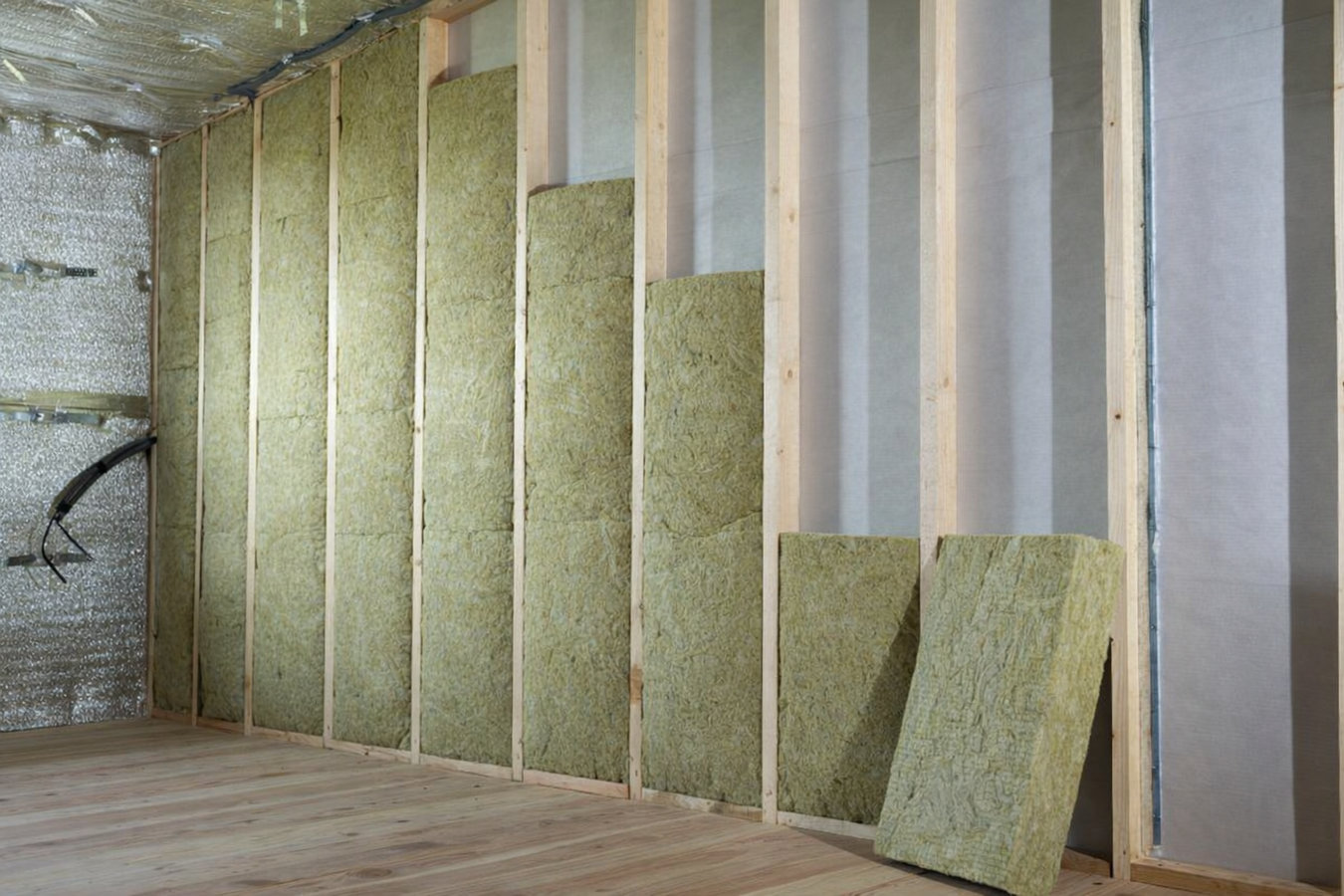
Cold floors and high energy bills often trace straight back to an uninsulated basement. We assess your space for moisture first, then install the right material so your home holds its temperature year-round.
Basement insulation in Conway creates a thermal barrier between the cold, damp air that collects below your home and the living floors above it - most jobs on a single-family home take one to two days and deliver a noticeable change in both floor comfort and monthly energy costs. Without it, that cold air seeps upward through your floor, your heating and cooling system compensates by running longer, and your utility bills reflect every bit of it.
Homeowners in Conway often discover the problem in winter, when floors feel cold despite a running furnace, or after a wet spring when a musty smell settles in below the first floor. Both are signs the basement is not properly sealed or insulated. Because moisture is such a factor in Faulkner County, the assessment before the job is as important as the installation itself - skipping it is one of the most common reasons insulation work fails within a few years. If the scope of your project includes the upper walls and living area too, our closed-cell foam insulation service pairs well with basement work for whole-home air sealing and moisture control.
Conway falls in a mixed-humid climate zone, which means insulation has to work in two directions: keeping heat out in summer and keeping it in during winter. The type and placement of insulation material matters more here than in a purely hot or purely cold climate, and a contractor who understands Arkansas conditions will make different recommendations than one who does not.
If the floors in your main living area feel noticeably cold in winter - especially over the basement - heat is escaping downward through an uninsulated or under-insulated basement ceiling. In Conway, this is most common in older homes built before the 1990s, where basement insulation was often skipped entirely. You should not need to wear thick socks inside your own home in January.
A persistent musty odor in your basement is a sign moisture is present. White chalky deposits on concrete walls - called efflorescence - are a visible sign water has been moving through the concrete over time. Both signals mean a moisture assessment is needed before any insulation work begins. In Conway's humid climate, this is one of the most common findings during a baseline inspection.
Conway's climate swings between humid 95-degree summers and cold snaps that dip below freezing in winter. If your heating and cooling bills feel disproportionately high compared to neighbors with similar-sized homes, poor basement insulation is one of the first places to look. An uninsulated basement acts like a heat sponge in winter and a humidity pump in summer.
If you can see the insulation in your basement ceiling or walls, check its condition. Insulation that has sagged away from the surface, turned yellow or brown, or looks compressed and thin is no longer doing its job. In Conway homes built from the 1960s through 1980s - common in neighborhoods near downtown and the university campuses - this kind of degradation is expected and worth addressing.
We insulate both basement walls and the basement ceiling - the floor of your living space - and we recommend the right approach after seeing your specific home. Insulating the walls turns your basement into a semi-conditioned space, which is useful if you spend time down there regularly. Insulating the ceiling above the basement keeps the heat in your main living area but leaves the basement itself cold. Both approaches work well depending on how you use the space and what your home needs, and we explain the tradeoff clearly before any work begins.
In Conway's humid climate, we commonly combine basement wall insulation with air sealing around pipes, wires, and rim joists - the gaps where the basement ceiling meets the foundation walls. These are among the most common air leak points in central Arkansas homes, and sealing them alongside the insulation delivers noticeably better results than insulation alone. For homes where the crawl space is also a concern, our crawl space insulation service addresses the full below-grade envelope so heat and moisture are controlled from every angle.
Best for homeowners who use their basement regularly and want it to function as a comfortable, semi-conditioned space.
Suited to homes where the basement is mainly used for storage and the priority is keeping heat in the main living floors above.
Recommended for Conway homes with humidity concerns, since it seals air gaps and resists moisture at the same time.
Needed when existing material has sagged, absorbed moisture, or deteriorated to the point where it is no longer effective.
Conway sits in central Arkansas in a mixed-humid climate zone, where summer humidity regularly pushes above 70 percent and temperatures hold in the 90s from May through September. That combination means moisture can work its way into basement walls and concrete even without an active leak - condensation forms where warm outdoor air meets cooler below-grade surfaces, and the problem compounds over a long season. Faulkner County's clay-heavy soil makes it worse: after Conway's heavy spring rains, that soil holds water against basement walls and slowly releases it all summer. Homeowners we serve in Cabot and Jacksonville deal with similar soil and climate conditions, and a moisture check before insulation work is just as important in those communities as it is in Conway.
A large portion of Conway's housing stock was built between the 1960s and 1990s, when basement insulation was minimal or nonexistent by today's standards. Many of those homes - especially in neighborhoods near Hendrix College and along the older streets downtown - have original insulation that has sagged, absorbed moisture, or simply compressed to a fraction of its original thickness over 40 or 50 years. Installing new material over degraded old insulation delivers poor results. The right approach starts with an honest look at what is there, a plan to deal with any moisture first, and then a proper installation that will hold up to Arkansas's climate for years to come.
We respond within 1 business day. We will ask a few basic questions - your basement size, whether it is finished or unfinished, and whether you have noticed any moisture. This helps us come prepared with the right approach and give you a realistic cost range before we even arrive.
We walk through your basement and look at the current insulation, check for signs of moisture or air leaks, and measure the space. This visit typically takes 30 to 60 minutes. You will receive a written estimate before any work is scheduled - we do not pressure you to sign on the spot.
After the inspection you get a written estimate that breaks down what work is recommended and what it costs. If old insulation needs to come out first, that is in the quote - no surprises on the day the crew arrives. You have time to review it and ask questions.
Most basement jobs take one to two days. You can be home during the work - it is not loud or disruptive enough to require you to leave. Once done, the crew walks you through the finished job. There is no drying or curing time - your basement is ready to use immediately.
No pressure, no obligation - just a clear written quote and an honest assessment of what your basement actually needs.
(501) 497-0067We check for moisture before we touch any insulation. Skipping that step in Conway's climate - where humidity and clay soil work against basements year-round - is the fastest way to end up with mold behind the walls within a few years. That inspection is part of every estimate, at no charge.
We photograph and document every basement job from start to finish. You get a clear written and visual record of exactly what was found and what was completed, which gives you a formal reference if anything ever needs to be revisited.
We serve 12 communities across central Arkansas, from Conway to Little Rock to Russellville. That reach means we work on homes in every type of soil condition, housing era, and climate micro-environment this part of the state has - knowledge you cannot get from serving one zip code.
We do not stop at insulation material. Rim joists - where your floor structure meets the top of the foundation wall - are among the most common air leak points in central Arkansas homes. When we find gaps, we address them alongside the insulation so the whole system performs as designed.
Conway homeowners have a lot of contractors to choose from. The difference comes down to whether the person you hire treats your basement like a priority or a checklist item. We start with an honest inspection, give you a written quote, and do not start work until you understand exactly what you are getting.
Rigid, moisture-resistant spray foam that seals basement walls and crawl space surfaces against both air infiltration and humidity in the same application.
Learn moreFloor joist insulation and full encapsulation options for homes where the below-grade space is a crawl space rather than a full basement.
Learn moreWith Conway's cooling season approaching, now is the right time to stop paying for energy your basement is losing - contact us for a free written estimate.