Loading...
Serving Conway, AR and surrounding areas. (501) 497-0067
Under-insulated attics make Conway summers unbearable and drive up your Entergy bill. We install blown-in insulation that fills every gap and keeps your home comfortable from May through September.
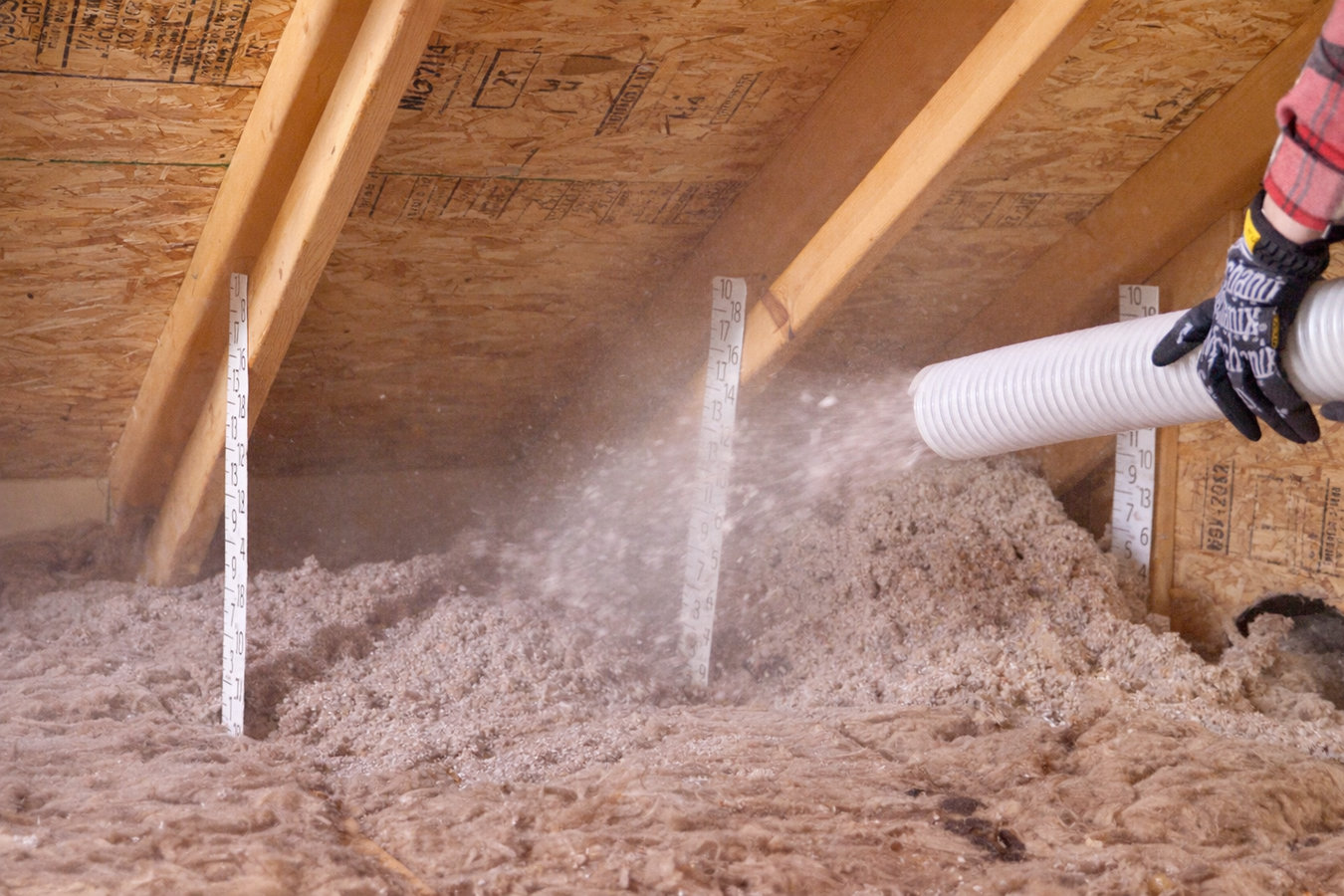
Blown-in insulation in Conway fills your attic with loose cellulose or fiberglass material using a hose and blowing machine - most attic jobs take one crew and three to five hours from start to finish. It covers odd-shaped spaces and corners that rigid batt insulation simply cannot reach, which is exactly why it works so well in Conway homes with cramped or irregular attic layouts.
If your home was built before 2000, chances are your attic is running on original insulation that has settled and compressed over decades. Blown-in insulation can be added right on top without tearing anything out. Many homeowners who upgrade also add attic insulation improvements like sealing gaps around recessed lights before the material goes in - which makes the whole job more effective and longer-lasting.
The most common reason Conway homeowners call us is simple: rooms that stay too hot in summer no matter how hard the AC runs. Blown-in insulation addresses that directly by raising your attic floor from a thermal liability to a genuine barrier.
If your second floor or rooms right under the roof feel like a different climate from your downstairs, your attic insulation is almost certainly too thin. In Conway's summer heat, a poorly insulated attic acts like a radiant heater pointed straight at your ceiling. No amount of AC fully compensates for that heat load.
Conway homeowners with under-insulated attics often see their Entergy bills spike dramatically from June through August, even when thermostat habits haven't changed. If your cooling costs feel out of proportion to your home's size, thin or compressed attic insulation is one of the most common causes.
Peek into your attic - if you can clearly see the wooden beams running across the floor, your insulation is too thin. Those joists should be buried under a thick, even layer of material. If they are visible, heat is moving through your ceiling with very little resistance.
If air seeps through recessed lights or around ceiling fans, it signals gaps in your attic floor that insulation alone will not fix. A contractor can seal those gaps first, then blow insulation over them - which is far more effective than insulation without air sealing underneath.
We install both cellulose and fiberglass blown-in insulation depending on your attic conditions and budget. Cellulose is made from recycled paper and is treated with fire retardant - it settles slightly over time, so we install it a bit deeper to account for that. Fiberglass blown-in is lighter and holds its depth better over the years. Both work well in Arkansas attics. Every job starts with an inspection of your current insulation depth and a check for moisture or ventilation issues before any material goes in.
For most jobs, we pair the blown-in install with air sealing around recessed lights, plumbing penetrations, and attic hatches. Skipping that step is the single most common shortcut - and it leaves your home leaking conditioned air even after the insulation looks full. We also handle full home insulation assessments if you want to look at your attic, walls, and crawl space together in one visit.
Best for homeowners adding depth over existing insulation in older homes.
A good fit for attics where long-term depth retention matters most.
The highest-value combination for homes with gaps around lights and penetrations.
Ideal if you have never had your insulation evaluated and want a clear starting point.
Conway sits in a humid subtropical climate zone where summer temperatures regularly climb above 95 degrees and the air stays thick with moisture from May through September. When your attic is poorly insulated, that heat radiates straight down into your living space and forces your air conditioner to run almost continuously. A large share of Conway homes were built during the growth years of the 1970s through 1990s - and those homes left the factory with insulation levels that were standard at the time but fall well short of what is recommended today. Adding blown-in insulation is usually straightforward and does not require removing what is already there.
Homeowners in Little Rock and Cabot face similar summer heat loads and aging housing stock - our crews travel to those areas regularly. One factor specific to Conway is humidity management before insulating: because the air in central Arkansas holds so much moisture, any existing ventilation problems or small roof leaks need to be fixed before blown-in material goes in. We check for both before any work starts.
We respond within 1 business day. A quick conversation about your home's age, size, and what has been bothering you - no obligations at this stage.
We visit your attic in person, measure current insulation depth, check for moisture or ventilation issues, and note anything that might affect the job. This takes about 30 minutes and is always free.
You receive a written estimate spelling out the materials, scope, and total cost before any work begins. Air sealing is either included or explained as a separate option - nothing is hidden.
The crew seals gaps first, then blows material across your attic floor to an even depth. Most jobs wrap up in three to five hours. We clean up, walk you through what was done, and provide any documentation needed for tax credits or utility rebates.
We respond within 1 business day - no obligation. After you submit, someone from our office calls to schedule a free on-site estimate at a time that works for you. The estimate is written, detailed, and yours to keep whether you book with us or not.
(501) 497-0067Plugging gaps before blowing material in is the step most contractors skip because it takes time. We include it on every job because without it, your insulation will never perform at its rated level.
We have worked in Conway homes from the older neighborhoods near Hendrix College to the newer subdivisions off Dave Ward Drive. Local attic quirks - tight hatches, low-pitch rooflines, older ventilation setups - are not surprises to us.
Every job starts with a free in-person assessment and a written estimate. You know exactly what is being done and what it costs before a single bag of material is opened. No surprise add-ons.
We photograph each project before and after, so you have a clear record of exactly what was found and what was completed. That documentation stays with you for future reference.
According to the U.S. Department of Energy, homeowners who bring attic insulation up to the recommended level typically see heating and cooling costs drop by 10% to 20%. Our process is designed to close that gap as fully as possible on the first visit.
A full-home assessment covering attic, walls, and crawl space so nothing gets missed.
Learn moreTargeted attic upgrades for Conway homes where heat loss starts at the ceiling.
Learn moreSummer in Conway waits for no one - the sooner your attic is insulated, the sooner your home stays cooler and your bills come down.