Loading...
Serving Conway, AR and surrounding areas. (501) 497-0067
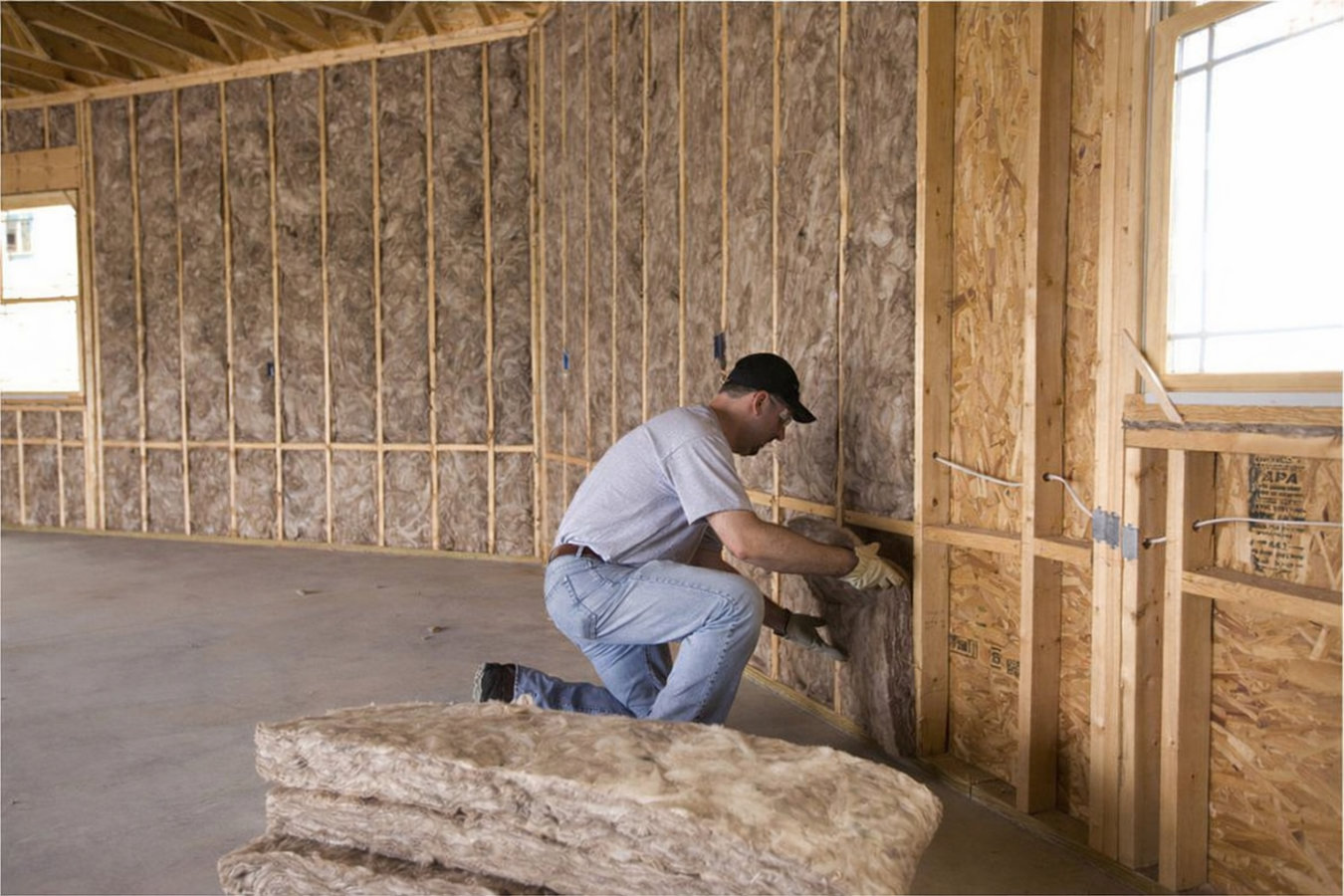
Conway Insulation serves Little Rock, AR with home insulation, spray foam, attic insulation, and crawl space work. We bring experienced local crews, and we serve both older Little Rock neighborhoods and the newer subdivisions in West Little Rock with free on-site estimates.
Little Rock has homes across more than a century of construction eras - from the Victorian bungalows of the Quapaw Quarter to the brick ranches of Broadmoor to newer construction in Chenal Valley. A complete home insulation assessment covers your attic, walls, and crawl space together so nothing is missed.
Little Rock averages around 50 inches of rain annually, and its summer heat is intense and long. Homes in established neighborhoods like Hillcrest, the Heights, and Broadmoor - many built before 1980 - commonly have attic insulation levels well below what Arkansas's climate zone now requires. Upgrading the attic is typically where Little Rock homeowners see the biggest reduction in summer cooling costs.
Little Rock sits in a mixed-humid climate where both summer heat and winter freeze-thaw cycles put stress on older building envelopes. Spray foam insulates and air-seals in a single application, making it an efficient choice for Little Rock homeowners dealing with drafty older construction or moisture in crawl spaces after heavy spring rains.
Many Little Rock homes in areas like Leawood, Kingwood, and older parts of South Little Rock are built on crawl spaces that sit over the city's expansive clay soil. When that soil stays wet after spring storms, moisture migrates upward through an unprotected crawl space, affecting floors, indoor air quality, and structural wood. Insulating and encapsulating the crawl space stops that cycle.
Blown-in insulation works especially well in the older Little Rock homes where the attic layout makes batts difficult to install evenly. The loose-fill material fills around existing obstructions and reaches the eaves where heat escapes most, bringing homes in neighborhoods like Pulaski Heights and MacArthur Park up to current performance standards without a full renovation.
Little Rock receives about 50 inches of rainfall per year, and the clay soil underneath much of the city holds onto that moisture for months. A properly installed vapor barrier on the crawl space floor is one of the most direct ways to protect your home's structure and keep ground moisture from affecting your floors, sub-floor framing, and indoor humidity levels.
Little Rock is the largest city in Arkansas and one of the most climatically demanding for residential insulation. Summers are long and punishing - average July highs near 93 degrees Fahrenheit with roughly 50 inches of annual rainfall, most of it arriving during violent spring and summer thunderstorms. A significant portion of the city experienced a direct tornado strike in March 2023, which serves as a reminder of how quickly homes here can need structural and envelope repairs. Winter temperatures regularly dip below freezing from December through February, and the freeze-thaw cycles that follow are hard on concrete, masonry, and the exterior seals on older homes. This is a climate that demands a two-season insulation strategy, not just summer cooling protection.
The housing stock makes the challenge more acute. A large portion of Little Rock's homes were built before 1980, many in neighborhoods like Hillcrest, the Heights, and the Quapaw Quarter where Victorian and Craftsman homes date back to the early 1900s. These homes were built with original single-pane windows, wood-framed walls, and insulation - if any - that has long since degraded. Even the mid-century brick ranches common in Broadmoor and Leawood were built under insulation standards far below what is now recommended for Arkansas's climate zone. The city's expansive clay soil adds another layer of complexity - it swells when wet and shrinks when dry, and that seasonal movement can open gaps in crawl space framing and around foundation walls over time.
Conway Insulation serves Little Rock homeowners from our base in Conway, about 30 miles north via Interstate 40. We work across the city - from the tree-lined streets near Little Rock Central High School National Historic Site to the newer homes in Chenal Valley in West Little Rock. When permit requirements apply to a job, we work through the Little Rock Building and Safety Division.
Little Rock has clearly defined neighborhoods that feel very different from one another. The Heights and Hillcrest have older craftsman bungalows on tree-lined streets. West Little Rock has newer subdivisions along the Pleasant Valley and Chenal corridors. Downtown and the Quapaw Quarter have some of the oldest homes in the state. We have worked in all of them, and we know the difference between what a pre-1940 wood-frame home needs and what a 1990s brick veneer house requires.
We also regularly work in nearby North Little Rock and Maumelle, where homes face similar insulation conditions and where the same Arkansas climate drives the same energy efficiency challenges.
Call or fill out the contact form and we will follow up within one business day. We will ask about your home's age, the area you want insulated, and what has been prompting you to call. This gives us the context to come prepared.
We come to your Little Rock home, inspect the attic and crawl space, measure what is currently there, and check for moisture or air-sealing issues. This visit takes about 30 to 60 minutes. You receive a written estimate that explains what we found, what we recommend, and the full cost - so there are no surprises.
The crew arrives with the right equipment and installs the insulation to the correct depth and coverage for your home's age and layout. Air sealing happens first when it is part of the scope. Most residential jobs in Little Rock finish in a single day. For spray foam, you and your family will need to stay out of the home for at least 24 hours.
Before leaving, we walk you through the finished work and answer any questions. The difference in comfort is usually noticeable within a few days. The impact on your Entergy bill shows up with the next full billing cycle. If anything seems off after we leave, we are easy to reach.
Conway Insulation provides free on-site estimates for Little Rock, AR homeowners. Whether your home was built in the 1940s or the 2000s, we will assess your attic and crawl space honestly and give you a written quote with no pressure.
(501) 497-0067Little Rock is the state capital and largest city in Arkansas, home to about 202,000 people and the center of a metro area of roughly 750,000. It sits on the south bank of the Arkansas River, with Riverfront Park and the pedestrian bridge connecting it to North Little Rock. The city is home to the Clinton Presidential Center and the Little Rock Central High School National Historic Site - landmarks that most residents and visitors know well. Little Rock's economy centers on state government, healthcare, and service to nearby Little Rock Air Force Base in Jacksonville.
The city's neighborhoods are unusually diverse in age and character. The Quapaw Quarter near downtown has Victorian and Queen Anne homes from the late 1800s and early 1900s - some of the oldest residential structures in the state. Hillcrest and the Heights feature craftsman bungalows from the 1910s through 1940s on tree-lined streets. Mid-century brick ranches fill Broadmoor, Leawood, and similar neighborhoods built from the 1950s through 1970s. West Little Rock offers newer construction from the 1980s onward, including the Chenal Valley corridor. Each of these housing eras has its own insulation profile and its own particular vulnerabilities to Arkansas's climate. Adjacent North Little Rock across the river shares many of the same conditions, and we serve homeowners throughout both cities.
Professional spray foam insulation creating an airtight seal that dramatically cuts energy bills.
Learn moreAttic insulation solutions that keep your home comfortable in every season.
Learn moreBlown-in insulation fills gaps and cavities for consistent whole-home coverage.
Learn moreComplete home insulation services designed to improve comfort and efficiency.
Learn moreSafe removal of old or damaged insulation before new installation begins.
Learn moreCrawl space insulation that stops moisture, drafts, and energy loss at the foundation.
Learn moreAir sealing services that eliminate drafts and prevent conditioned air from escaping.
Learn moreBasement insulation that controls moisture and creates a warmer, drier lower level.
Learn moreClosed-cell spray foam providing maximum R-value and a moisture-resistant barrier.
Learn moreOpen-cell foam insulation delivering excellent sound dampening and air sealing.
Learn moreAttic air sealing that stops heat loss and lowers heating and cooling costs year-round.
Learn moreVapor barrier installation protecting your crawl space from damaging ground moisture.
Learn moreVapor barrier services shielding walls and floors from moisture infiltration.
Learn moreRetrofit insulation upgrading existing homes without major structural changes.
Learn moreCommercial insulation for offices, warehouses, and industrial buildings of all sizes.
Learn moreServing these cities and communities.
Call Conway Insulation or send a message. We serve homeowners across Little Rock - from older neighborhoods near downtown to newer homes in West Little Rock - with honest assessments and written quotes.