Loading...
Serving Conway, AR and surrounding areas. (501) 497-0067
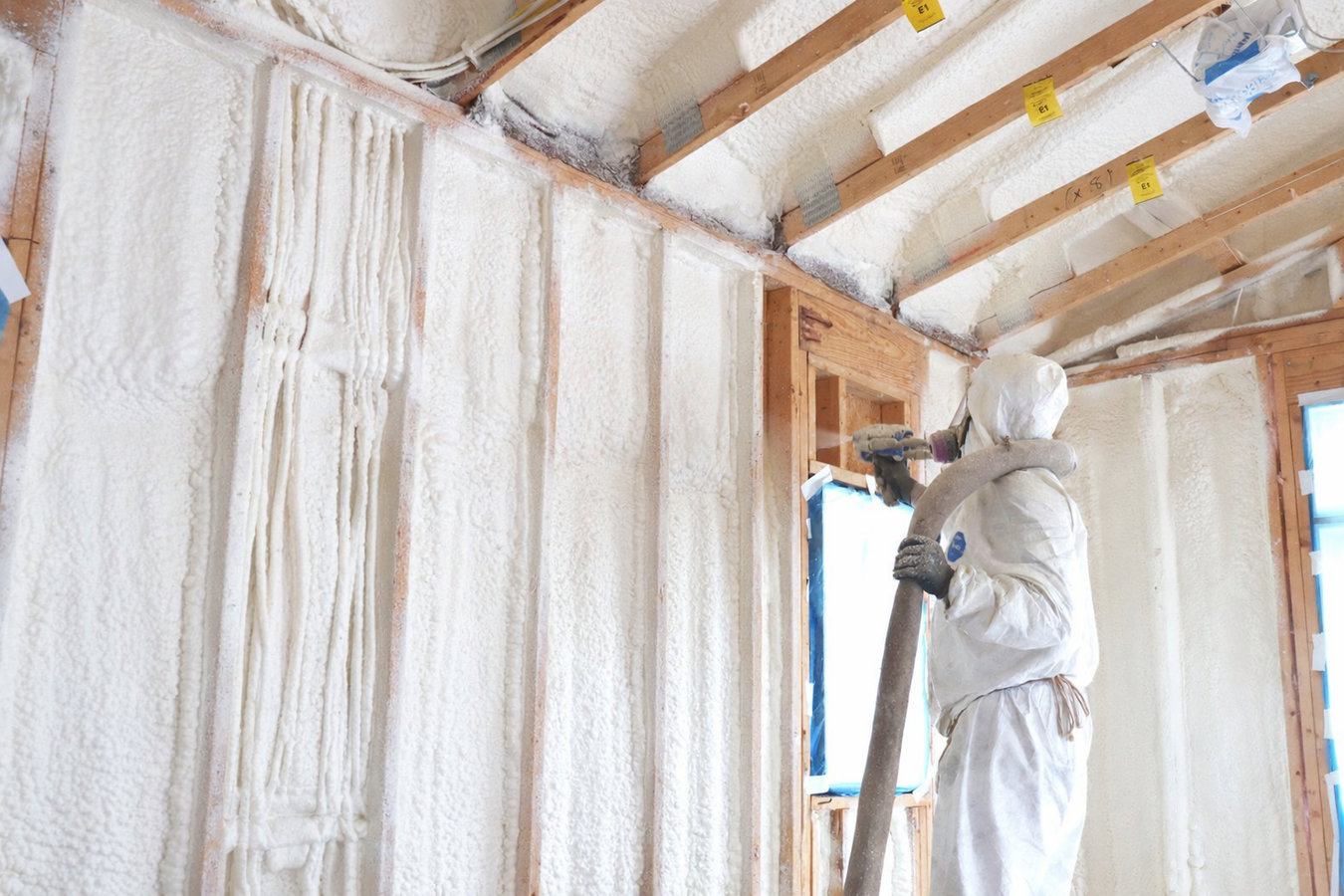
Closed-cell foam is the only insulation that seals air gaps and blocks moisture in one application. If your home runs hot in summer or your crawl space smells musty, this is where we start.
Closed-cell foam insulation in Conway is a two-part liquid sprayed onto attic decks, crawl space walls, rim joists, or wall cavities, where it expands and hardens into a rigid, dense layer that insulates and air-seals at the same time - most residential jobs take one to two days and deliver results that other insulation types simply cannot match in a hot, humid climate. Standard fiberglass or blown-in insulation slows heat transfer, but it does nothing about the humid outdoor air sneaking through every tiny crack in your home's envelope. Closed-cell foam handles both in a single application, which is why homeowners in central Arkansas see faster payback here than the national average.
Many Conway homeowners call us after years of high utility bills, rooms that never cool down properly, or a persistent musty smell from the crawl space. These are not random problems - they are the predictable outcome when a home built before modern energy codes was never properly sealed. If you are also dealing with drafts around outlets on exterior walls or floors that feel cold despite a running furnace, our open-cell foam insulation service is worth comparing: it costs less upfront and works well in interior walls and attic floors where moisture resistance is less critical.
Unlike fiberglass or cellulose that can sag, settle, or absorb moisture over time, closed-cell foam does not degrade. Once it is cured - typically within 24 hours of application - it holds its shape and its insulating value for the life of the building. That permanence is one of the reasons it costs more upfront and pays back steadily over many years.
If your electric bill climbs dramatically from May through September despite not changing your habits, your home is likely losing the battle against Conway's heat and humidity. Air conditioners in central Arkansas work hard as it is - if yours runs almost constantly and the house still feels warm or sticky, that is a strong sign your insulation and air sealing are not doing their job. This pattern is especially common in Conway homes built before the 1990s.
In Conway homes with crawl spaces, cold or damp floors in winter and a persistent musty odor are classic signs that outdoor air and ground moisture are moving freely beneath your home. That moisture migrates upward into your living areas, affecting air quality and comfort. If you have noticed either of these signs, the crawl space is almost certainly the source and closed-cell foam on the walls and floor above is the most durable fix.
Hold your hand near an electrical outlet on an exterior wall on a hot summer day. If you feel warm air pushing in, your walls have air gaps that insulation alone will not fix. Closed-cell foam addresses both the insulation gap and the air leak at the same time. This is a test any homeowner can do in five minutes, and the result often tells you more than a whole energy audit.
Walk up to your attic hatch on a summer evening in Conway. If the air coming down is still intensely hot hours after sunset, your attic is storing heat and radiating it into your living space all night. A properly foam-insulated attic, where foam is applied to the roof deck, stays much closer to the temperature of the rest of the house and stops that overnight heat dump into the rooms below.
We apply closed-cell foam to the areas where it delivers the most impact in central Arkansas homes: attic roof decks, crawl space walls and rim joists, basement walls, and exterior wall cavities in retrofit projects. Spraying foam against the roof deck - rather than on the attic floor - creates what is called a conditioned or unvented attic. This moves your ductwork inside the conditioned building envelope, which dramatically reduces cooling loads in Conway's summers when attic air temperatures routinely hit extreme levels. It is one of the most effective single upgrades for homes with ductwork in the attic.
For crawl space and basement work, we combine closed-cell foam with air sealing around pipes, wires, and joist bays to close every gap in the below-grade envelope. Many Conway homes also need their full spray foam picture matched with a whole-home approach - our spray foam insulation service covers both closed-cell and open-cell options with a site assessment to determine which is right for each area of your home.
Best for homes with ductwork in the attic - moves the insulation boundary to the roofline and dramatically reduces cooling load.
Suited to Conway homes with persistent moisture, cold floors, or musty odors traced to below-grade air movement.
Addresses one of the most common air leak points in older central Arkansas homes - where the floor structure meets the foundation wall.
Recommended for exterior walls during renovation or new construction where maximum moisture resistance and insulating value per inch are priorities.
Conway sits in Climate Zone 3A - a hot, humid classification that shapes which insulation products and installation methods actually hold up over time. Summer temperatures in the mid-to-upper 90s and sustained high humidity mean your home's air barrier is under pressure every day for months at a stretch. Any gap, unsealed joint, or compressed section of conventional insulation becomes a pathway for hot humid air to push into your conditioned space. Closed-cell foam eliminates that pathway because it is both an insulator and a continuous air and vapor barrier in a single applied layer. Homeowners we serve in North Little Rock and Sherwood face the same climate conditions, and the same product recommendations apply across this part of central Arkansas.
A significant share of Conway's housing stock was built between the 1970s and 1990s, well before modern energy code requirements raised minimum insulation standards. Those homes often have inadequate attic insulation, uninsulated crawl spaces, and rim joists that were never addressed. Conway also has a lot of crawl space foundations - not slab - which means ground moisture and summer humidity are a daily factor for a large portion of local homeowners. Closed-cell foam is particularly well matched to this combination because it does not absorb moisture the way fiberglass and cellulose can, and it does not settle or compress over decades the way blown-in products sometimes do.
We respond within 1 business day. We will ask about your home's age, which area you want insulated, and whether you have noticed specific problems like high bills or moisture. This helps us come prepared with the right equipment and give you a realistic cost range before we arrive.
We walk through the areas you want insulated - typically the attic, crawl space, or specific walls - take measurements, and check for any moisture or structural issues that need to be addressed first. You leave this visit with a written estimate and a clear explanation of what the job includes.
Clear the work area and plan to be out of the home on installation day and for roughly 24 hours afterward - the spray process requires the home to be vacated. Your contractor will give you a specific re-entry time and a prep checklist when you book. Pets need to be out too.
Most residential jobs are completed in one day. Before the crew leaves, they walk you through the finished work and confirm the thickness applied. Keep the documentation they provide - it is useful if you ever sell the home or apply for an energy efficiency incentive through the Arkansas Energy Office.
No pressure, no obligation - just a clear written quote and an honest recommendation for what your home actually needs.
(501) 497-0067Conway's hot, humid summers put insulation systems under sustained stress that milder climates do not. We work exclusively in central Arkansas, so every recommendation we make is calibrated to what actually holds up in this climate - not what works in Minnesota or Florida.
Spray foam applied incorrectly - wrong ratio, wrong thickness, poor surface prep - fails faster and performs worse. We follow installation standards aligned with the Spray Polyurethane Foam Alliance to make sure what goes in your home performs as advertised for years, not months.
We have worked on homes across 12 communities in central Arkansas - from Conway to Little Rock to Russellville. That volume of real local jobs, across every housing era and soil type this region has, gives us a depth of reference that a single-market contractor does not have.
After every installation we leave you with written documentation: the product used, the area covered, and the thickness achieved. That paper trail matters if you sell your home, apply for an energy incentive, or ever need to verify what was done and to what standard.
The difference between a closed-cell foam job that pays back in three years and one that underperforms comes down entirely to who installs it and how. We give every Conway homeowner a written quote, a clear explanation of what we are doing and why, and documentation that proves the work was done right.
A lower-density foam option that costs less per square foot and works well in interior walls and attic floors where vapor resistance is less critical.
Learn moreOur full spray foam service covering both closed-cell and open-cell options with a site assessment to match the right product to each area of your home.
Learn moreSummer is the hardest season on Conway homes - the sooner your insulation and air sealing are in place, the sooner your AC gets a real break and your bills reflect it.