Loading...
Serving Conway, AR and surrounding areas. (501) 497-0067
Conway Insulation is a locally owned insulation contractor serving North Little Rock, AR with spray foam, attic insulation, crawl space insulation, and blown-in insulation. We bring experienced local crews, and we offer free on-site estimates - typically scheduled within one business day of your call.
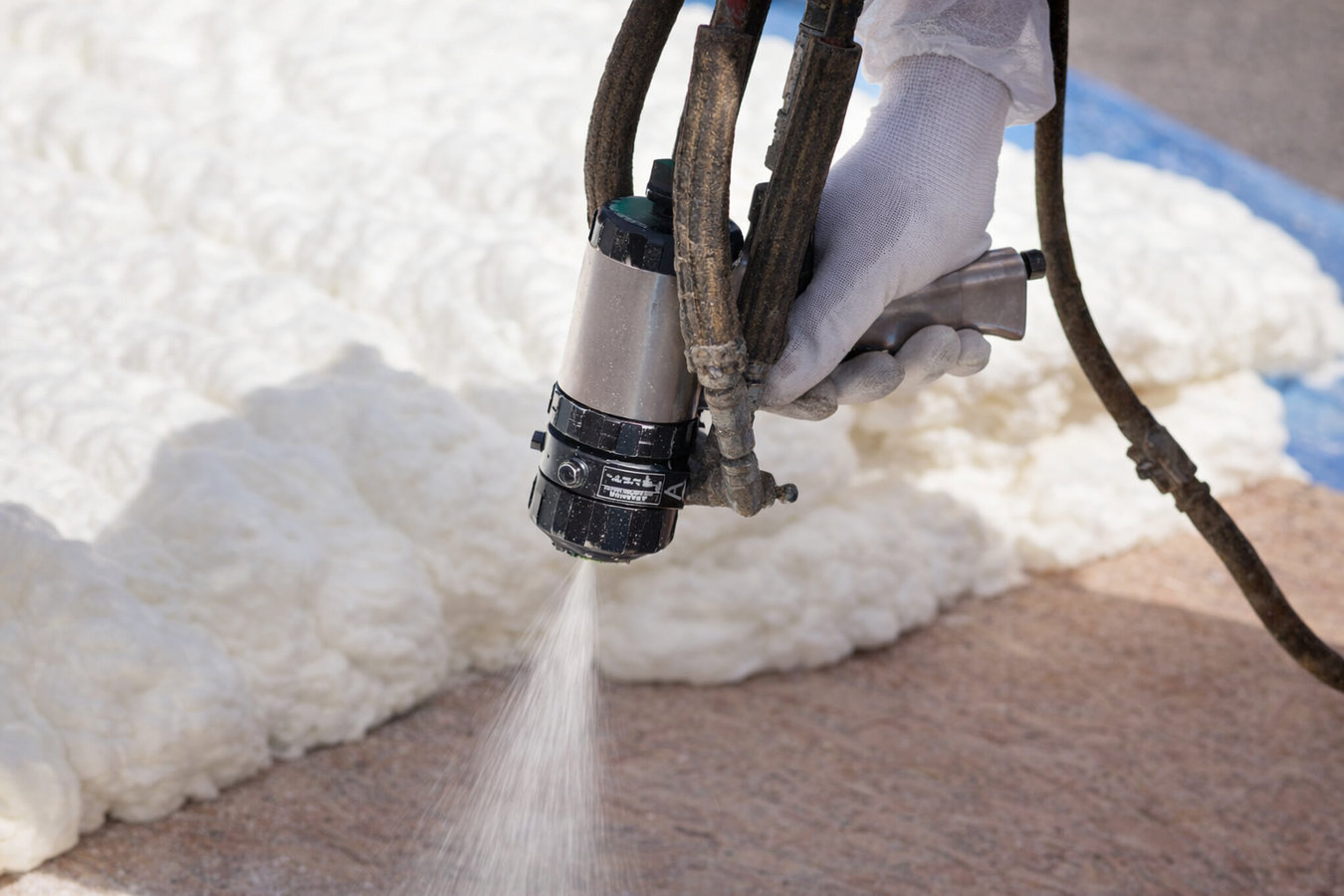
North Little Rock sits in a mixed-humid climate where summer heat and river-bottom moisture press against homes from two directions. Spray foam insulates and air-seals at the same time, making it the most effective single-step upgrade for homes in older neighborhoods near the Arkansas River. See how our spray foam insulation services address both heat and moisture in one application.
The median North Little Rock home was built around 1969, and homes from that era were insulated to standards well below what Arkansas now recommends. The low-pitched roofs common on ranch homes throughout Indian Hills and Lakewood trap heat against the attic floor, pushing temperatures up and cooling costs higher. Adding insulation to the recommended depth for this climate zone is the most direct fix.
Ranch homes across North Little Rock sit on crawl space foundations, and proximity to the Arkansas River floodplain means the soil under many of them stays wet long after spring rains. An uninsulated crawl space passes that moisture and temperature swing directly into your first floor. Insulating the crawl space walls and rim joists breaks that cycle.
Blown-in insulation is a cost-effective way to bring a 1950s or 1960s North Little Rock attic up to current standards without removing what is already there. The loose-fill material fills around pipes, wires, and existing framing, covering the irregular attic layouts common in postwar construction throughout the city.
For North Little Rock homes in lower-lying areas, a ground vapor barrier in the crawl space is often the first and most important step before adding any other insulation. When the ground stays saturated after heavy rain, an exposed dirt floor allows moisture to rise continuously into your floor framing. A properly installed barrier stops that at the source.
Older North Little Rock homes - especially those built before the 1980s in neighborhoods like Argenta - often have gaps around original light fixtures, plumbing penetrations, and attic hatches that let conditioned air escape all day. Air sealing those gaps before adding new insulation is what separates a cosmetic fix from a real performance improvement.
North Little Rock has a climate challenge that most cities in Arkansas share - long, punishing summers with average July highs near 93 degrees Fahrenheit and humidity that makes it feel worse. But the city adds a layer that many surrounding communities do not: its position directly on the north bank of the Arkansas River. Lower-lying neighborhoods near the river sit in or near the floodplain, meaning the soil stays saturated longer after heavy rain, groundwater is closer to the surface, and crawl spaces face moisture pressure that homes farther from the river do not experience to the same degree. An insulation contractor working in North Little Rock needs to account for that moisture exposure, not just the summer heat load.
The city's housing stock compounds the issue. According to Census data, the median year homes were built in North Little Rock is around 1969 - meaning a large share of the city's residential inventory is more than 50 years old. Homes built in the 1940s through 1970s in neighborhoods like Park Hill, Indian Hills, and Lakewood were constructed under insulation standards that a fraction of what Arkansas now recommends. Brick ranch construction is the dominant style, with low-pitched roofs that trap attic heat and crawl space or slab foundations that interact directly with the city's moisture conditions. Winters bring occasional ice storms and freeze-thaw cycles that stress older building envelopes, adding cold-season demand to a list of insulation needs that is already driven by summer heat.
Conway Insulation serves North Little Rock homeowners from our base in Conway, roughly 30 miles northwest via I-40. When the scope of work requires it, we pull permits through the North Little Rock Building and Permits office. We work regularly in the brick ranch neighborhoods that make up the bulk of the city - homes in Indian Hills, Lakewood, and Park Hill that were built in the postwar decades and are now showing their age in attic performance and crawl space conditions.
North Little Rock is a city most Arkansans know by its landmarks. Dickey-Stephens Park sits right on the Arkansas River near downtown, home to the Arkansas Travelers minor league baseball team. Burns Park - one of the largest municipal parks in the United States at over 1,700 acres - sits to the north of town and draws families from across the metro. The Argenta Arts District near downtown is one of the oldest parts of the city, with homes dating back to the early 1900s and historic streetscapes that attract both renovations and preservation work. We have insulated homes near all of these areas and know the building stock that comes with each neighborhood.
We also regularly serve homeowners in nearby Sherwood and Little Rock, where homes face the same combination of Arkansas heat and older construction that drives most of our North Little Rock calls.
Call or message - reply within 1 business day
Reach out by phone or the contact form and we will get back to you within one business day. We will ask a few quick questions about your home's age, size, and what has been prompting you to call - high bills, a hot room, a moisture issue. No hard sell on this call.
Free on-site assessment and written estimate
We come to your home, measure the attic or crawl space, check what insulation is currently there, and look for any moisture issues that should be addressed before new material goes in. This visit takes 30 to 60 minutes and costs you nothing. Cost anxiety is normal - we will explain exactly what we are recommending and why before you commit to anything.
Scheduled installation - usually one day
Most North Little Rock jobs finish in a single day. For spray foam, you and your household will need to be out of the home for about 24 hours after application while the foam cures. Blown-in attic insulation does not require you to leave - just keep children and pets away from the access area while the crew is working.
Walkthrough and follow-up
Before the crew leaves, we walk you through what was done. For attic work, we can show you photos if you would rather not climb up yourself. If anything is off in the weeks following the job, reach out - we stand behind our work and will come back.
We serve North Little Rock homeowners with free on-site estimates and no-pressure assessments. Call us or send a message and we will respond within one business day.
(501) 497-0067North Little Rock is the fourth-largest city in Arkansas, with a population of roughly 65,000 people separated from Little Rock only by the Arkansas River. The city has distinct neighborhoods that vary widely in character and building age. Argenta, the oldest district, sits just across the river from downtown Little Rock and has been revitalized in recent years as a center for arts and restaurants - its historic brick buildings and early-1900s residential streets are among the oldest in the metro area. Farther out, neighborhoods like Park Hill, Indian Hills, and Lakewood are defined by the brick ranch homes built in the 1950s through 1970s that house the majority of the city's owner-occupants. About 55 percent of North Little Rock housing units are owner-occupied, with the rest split between rentals concentrated in certain corridors and near the city's commercial strips. For more background on the city, see the North Little Rock Wikipedia article.
The housing mix in North Little Rock creates a range of insulation needs. Homes near Argenta and the river are some of the oldest in the metro and often have original or heavily degraded insulation, along with the moisture exposure that comes with proximity to the floodplain. Homes in Park Hill and Lakewood - built in the postwar era - are typically in better structural shape but still fall well short of current insulation recommendations. Newer development exists along JFK Boulevard and at the city's northern edge, but it makes up a smaller share of the overall stock. We also regularly work in neighboring Little Rock across the river, where the older neighborhoods share many of the same building characteristics and insulation challenges.
Professional spray foam insulation creating an airtight seal that dramatically cuts energy bills.
Learn moreAttic insulation solutions that keep your home comfortable in every season.
Learn moreBlown-in insulation fills gaps and cavities for consistent whole-home coverage.
Learn moreComplete home insulation services designed to improve comfort and efficiency.
Learn moreSafe removal of old or damaged insulation before new installation begins.
Learn moreCrawl space insulation that stops moisture, drafts, and energy loss at the foundation.
Learn moreAir sealing services that eliminate drafts and prevent conditioned air from escaping.
Learn moreBasement insulation that controls moisture and creates a warmer, drier lower level.
Learn moreClosed-cell spray foam providing maximum R-value and a moisture-resistant barrier.
Learn moreOpen-cell foam insulation delivering excellent sound dampening and air sealing.
Learn moreAttic air sealing that stops heat loss and lowers heating and cooling costs year-round.
Learn moreVapor barrier installation protecting your crawl space from damaging ground moisture.
Learn moreVapor barrier services shielding walls and floors from moisture infiltration.
Learn moreRetrofit insulation upgrading existing homes without major structural changes.
Learn moreCommercial insulation for offices, warehouses, and industrial buildings of all sizes.
Learn moreServing these cities and communities.
Call Conway Insulation or send a message - we serve North Little Rock homeowners and respond within one business day.